
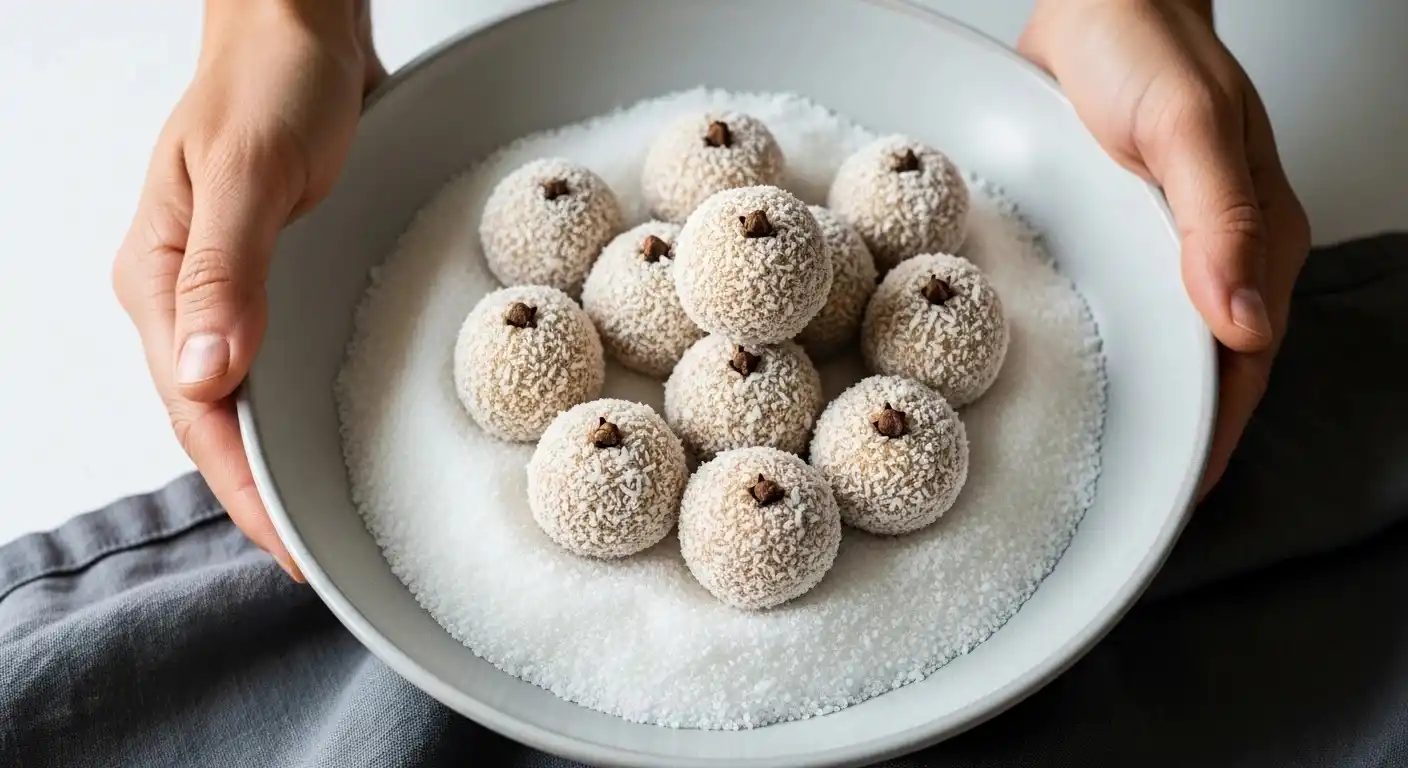
Beijinho Recipe: Make Traditional Brazilian Coconut Candy

Beijinho Recipe: Make Traditional Brazilian Coconut Candy

If there’s one sweet guaranteed to show up at a Brazilian kids’ birthday party, it’s beijinho. This coconut candy is the reliable centerpiece of the doce da festa (party sweets) table — easy to make in bulk, easy to package prettily, and universally loved by both kids and adults. This guide focuses less on the deep technique (we cover that in detail in our coconut brigadeiro recipe) and more on what you actually need to know to make beijinho work for an event: how much to make, how far ahead you can prep, and how to present it so it looks as good as it tastes.

Why Beijinho Is the Go-To Party Sweet

Beijinho checks every box event planning needs: it doesn’t require refrigeration for a few hours on the table, it holds its shape well for photos and displays, it’s naturally gluten-free (a common dietary concern at kids’ parties), and it scales easily — doubling or tripling a batch is just simple multiplication, unlike more finicky desserts that don’t scale evenly.

Equipment You'll Need

Recipe

Beijinho Recipe: The Essential Brazilian Party Sweet

Recipe by Camila Santos
0.0 from 0 votes
Course: BRIGADEIRO RECIPES, DESSERTSCuisine: Brazilian
Servings

20

pieces
Prep time

10

minutes
Cooking time

15

minutes

Ingredients

  • 1 can (14 oz) sweetened condensed milk

  • 1 tbsp butter

  • ¾ cup shredded coconut, plus 1 cup more for coating

  • 1 tsp vanilla extract (optional)

  • Pinch of salt

  • Whole cloves, for the classic garnish (optional — skip for young kids, since they're a choking hazard and meant to be removed before eating)

Instructions

  • Cook the base. Combine condensed milk, butter, ¾ cup coconut, vanilla, and salt in a saucepan. Cook over low heat, stirring constantly, for 12–18 minutes, until thick and glossy and pulling cleanly away from the pan.

  • Cool. Spread onto a lightly greased plate and let cool until just warm — trying to shape it hot will stick to your hands and lose its shape.

  • Roll and coat. Grease your hands lightly, roll into small, even balls, and coat each in the remaining shredded coconut.

  • Present. Place each piece in a mini paper candy cup, and add a single clove on top if serving to an adult crowd (skip this for kids' parties).

Storage

  • Refrigerate in an airtight container for up to a week — genuinely one of the more forgiving make-ahead party desserts. Freeze the uncoated balls for up to 3 months if you want to prep even further in advance; coat in fresh coconut after thawing.

Batch Math for Party Planning

  • Small gathering (10–15 kids): 1 batch (about 20 pieces) is usually enough alongside other sweets on the table.
  • Full birthday party (25–30 guests): double the recipe — the base recipe scales cleanly, just extend the cooking time by 3–5 minutes since there’s more volume in the pan.
  • Large event or Festa Junina celebration (50+ guests): triple or quadruple, but cook in separate batches rather than one giant pot — a very large volume of condensed milk cooks unevenly and takes much longer to reach the right consistency, risking a scorched bottom before the center thickens.

Make-Ahead Timeline

  • Up to 5 days ahead: make the full batch, roll, and coat, then refrigerate in an airtight container. This is the most party-friendly approach, since it takes the day-of pressure off completely.
  • Day before: if you didn’t make it further ahead, this still gives you a stress-free timeline — cook, cool, shape, and refrigerate overnight.
  • Morning of: take the beijinho out of the fridge 30–60 minutes before guests arrive so it comes to room temperature and the texture feels soft rather than firm from the fridge.
  • Avoid: shaping and coating same-day right before the party — it’s rushed, and warm coconut coating tends to look less neat in photos than a batch that’s had time to set.

Presentation Ideas for Parties

  • Mini paper candy cups in colors matching the party theme are the classic, simplest presentation.
  • Tiered dessert stands work well if beijinho is sharing table space with cake and other treats.
  • Color-coded coconut coating: tint a portion of the coating coconut with a drop of food coloring for a themed party (pastel pink or blue for a baby shower, green and yellow for a Brazil-themed event).
  • Skewered mini kebabs: thread 2–3 beijinho balls onto a small skewer alongside a strawberry or grape for a more elevated dessert-table look.

Dietary and Safety Notes for Group Settings

  • Naturally gluten-free — a safe default for guests with wheat sensitivities, though always double-check your condensed milk and coconut brands for shared-facility warnings if a guest has celiac disease.
  • Contains dairy — not suitable for guests with a dairy allergy or on a vegan diet without substitution.
  • Cloves are a choking hazard for young children — skip the garnish entirely for kids’ parties, or make sure they’re removed before serving.
  • Room temperature is fine for a few hours, but for outdoor summer parties or long events, keep the tray in a shaded, cooler spot or refrigerate between servings to prevent softening.

Common Mistakes and How to Avoid Them

  • Making it same-day under time pressure: leads to rushed shaping and a less polished presentation. Use the make-ahead timeline above.
  • One giant batch instead of separate pots: for large events, cook in multiple normal-sized batches rather than one oversized pot, which cooks unevenly.
  • Skipping the fridge-to-room-temperature step: cold beijinho straight from the fridge tastes firmer and less creamy than one that’s had 30–60 minutes to soften.
  • Forgetting choking hazards: always account for young children in the guest list when deciding on the clove garnish.

Frequently Asked Questions About Beijinho Recipe

Up to 5 days, stored in an airtight container in the fridge. This is one of the most make-ahead-friendly party sweets you can serve.

 Plan on 2–3 pieces per guest if it’s part of a larger dessert spread with cake and other sweets, or 4–5 per guest if it’s a featured item.

Yes, with two adjustments: skip the clove garnish (a choking hazard) and double-check ingredient labels if any guests have dairy allergies, since it’s not suitable without substitution.

Yes, but cook in multiple standard-sized batches rather than one oversized pot — a very large volume cooks unevenly and increases the risk of scorching before it thickens properly.

Yes — they’re the same candy, with “beijinho” being the more common name at parties and celebrations. For a full technique breakdown (doneness testing, troubleshooting graininess, and flavor variations), see our coconut brigadeiro recipe.

 Make it ahead so the coating has time to set, use mini paper cups for individual presentation, and keep the tray out of direct sun or heat if serving outdoors.

Conclusion

Beijinho earns its place as Brazil’s go-to party sweet because it’s genuinely low-stress to plan around: it scales predictably, holds up well made days in advance, and looks polished with minimal effort. Nail the batch math and timeline above, and beijinho becomes one less thing to worry about on the day of the party.

Share this post: