
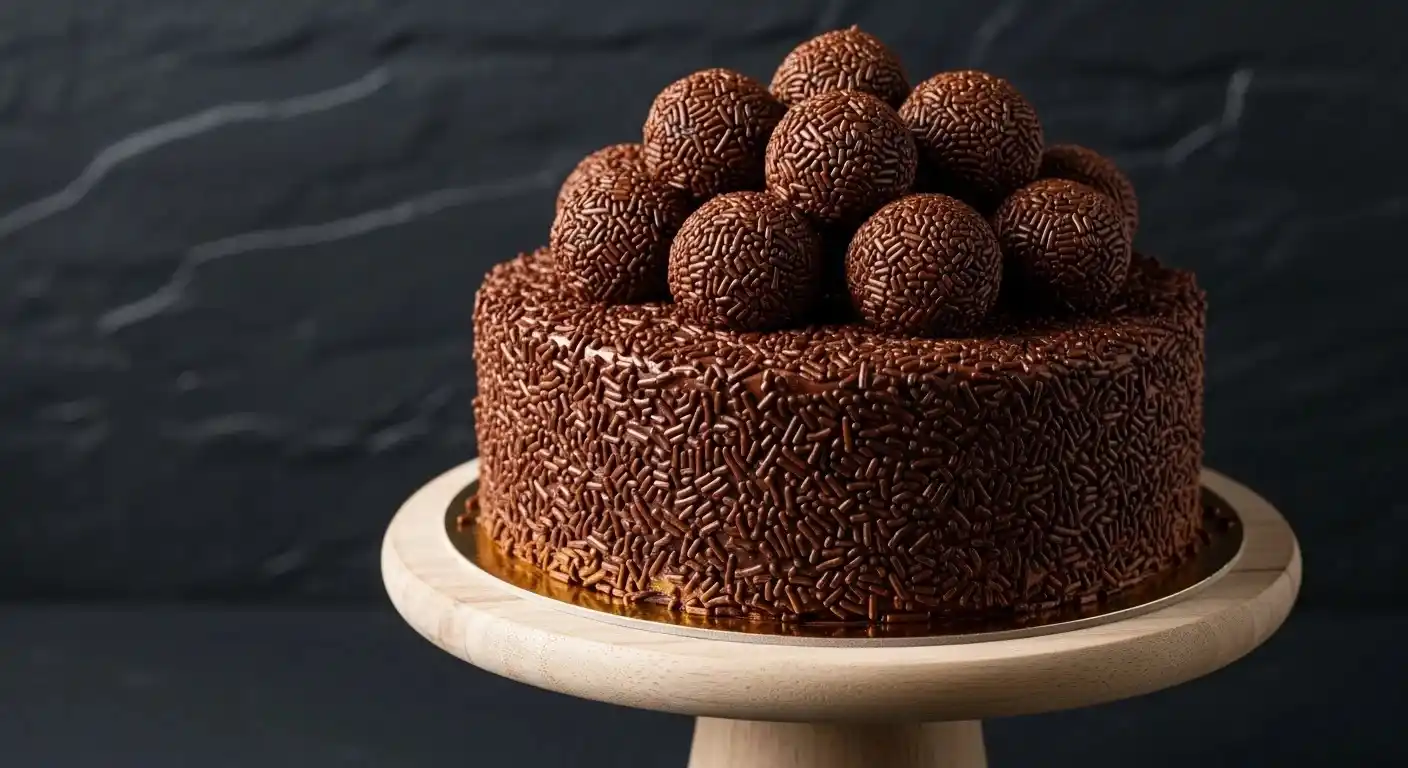
If you’ve ever had a slice of brigadeiro cake and thought, “Why does this taste like brownies and birthday cake had a perfect child?” you’re not imagining it. A good brigadeiro cake recipe is built around two textures that play off each other: fluffy chocolate sponge layers and a thick, spoon-coating brigadeiro cream that tastes like a glossy chocolate caramel.
This cake is especially loved in Brazil, where brigadeiro shows up at birthdays, family gatherings, and events like Festa Junina. But you don’t need a Brazilian grandma or a pastry shop in Rio de Janeiro to make it well. What you do need is a clear sense of timing and thickness, because the filling can go from “silky” to “too runny” or “overcooked” faster than most people expect.
I’ve baked versions that slid apart, versions that turned dry, and versions where the ganache split. This guide is basically the shortcut through all those mistakes. You’ll learn what brigadeiro cake is, why it works, and how to make a reliable, easy version with the right structure, a moist crumb, and clean slices.
A brigadeiro cake recipe is a method for making a Brazilian-style chocolate layer cake filled and coated with brigadeiro filling (also called brigadeiro cream): a stovetop mixture of sweetened condensed milk, cocoa powder (unsweetened cocoa), and butter cooked until thick and glossy. The finished dessert, a brigadeiro cake, usually has two or more cake layers with brigadeiro between them and either brigadeiro frosting or ganache (chocolate glaze) on top.
Think of it as a bridge between two broader categories: chocolate cakes and confectionery-inspired cakes. In the world of Brazilian desserts, brigadeiro is the iconic candy; the cake version turns that same flavor into a centerpiece you can slice and serve.
There are plenty of subtypes (hyponyms) once you get into it: classic brigadeiro chocolate cake, brigadeiro layer cake, brigadeiro sheet cake, and even brigadeiro bundt cake for people who want the flavor without stacking layers. And if you like modern finishes, a brigadeiro drip cake topped with smooth chocolate ganache is the dramatic option.
One more detail that gives the recipe cultural depth: the confection is commonly tied to Brigadeiro Eduardo Gomes, the figure most associated with brigadeiro’s origin story. Whether you’re baking in São Paulo or your own kitchen, that history is part of why brigadeiro feels so “celebration-coded.”
If you are looking for a rich and indulgent Brazilian dessert, this brigadeiro cake recipe is the perfect choice. Made with soft chocolate sponge layers and a creamy chocolate frosting inspired by the classic Brazilian sweet, this cake delivers deep flavor and a smooth texture in every bite. The secret behind its signature taste comes from the traditional Brigadeiro, which adds that authentic chocolate fudge flavor that makes this dessert truly special. Whether you are baking for a celebration or simply craving something sweet, this recipe brings a true taste of Brazil to your kitchen.
A brigadeiro cake recipe works because it combines two different cooking methods that create contrast: oven-baking for a light chocolate sponge and low heat reduction on the stove to concentrate the filling. That combination is why brigadeiro cake can taste richer than a regular chocolate cake without needing complicated techniques.
The sponge (your chocolate sponge) is built from basic baking ingredients: flour, sugar, eggs, cocoa, and fat (usually butter). Eggs help with structure and aeration, flour forms the framework, and sugar helps with moisture retention. When you bake the batter, heat sets proteins and starches, giving you layers that are stable enough to stack.
The easiest way to end up with a dry crumb is overbaking. People often wait for a cake to look deeply dark and “fully firm,” but that usually means the interior has already lost too much moisture. You want “bake until set,” not “bake until tough.”
The filling is where the signature happens. Sweetened condensed milk thickens as water evaporates and sugars concentrate. Cocoa gives flavor and color. Butter adds shine and improves mouthfeel. The key cue is the classic one: cook until thick and the mixture pulls from the pan. That’s your brigadeiro core viscosity benchmark.
Here’s the contrast pair that matters: low heat filling vs high heat filling. Low heat gives smoothness and control. High heat scorches the bottom quickly and can leave you with bitter notes and uneven texture.
If you want a more “gourmet” version, some bakers use premium chocolate brands like Valrhona for deeper flavor. In Brazil, you’ll often see brands like Lacta mentioned for chocolate, and for condensed milk many home bakers reach for Nestlé products, especially Leite Moça, because it’s widely used in brigadeiro recipes.
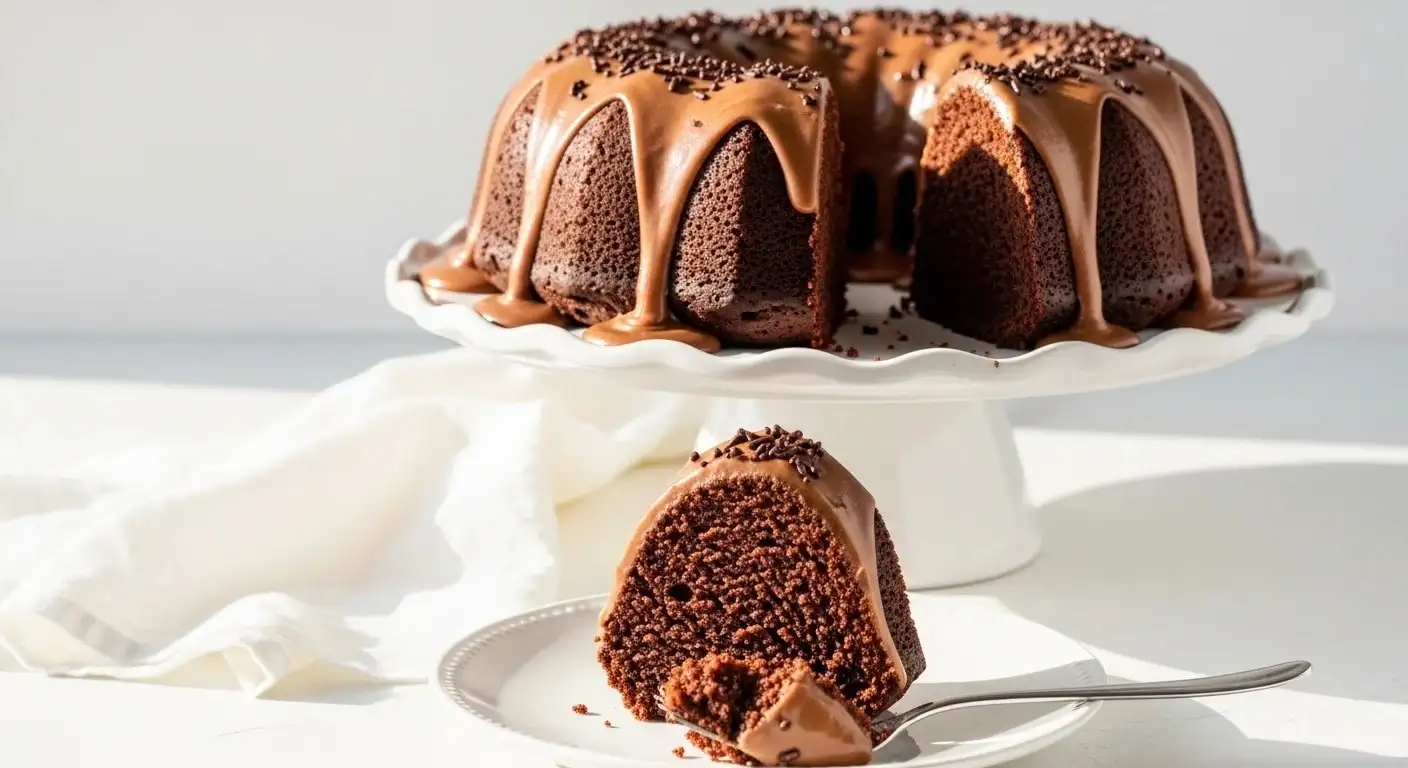
This is the version I recommend when you want the classic result without overcomplicating it. It’s a practical brigadeiro cake recipe that keeps the steps simple and the results predictable.
You want a soft-set filling, not a stiff candy. The goal is spreadable and glossy.
That’s your smooth chocolate ganache sweet spot.
A typical chocolate cake is mostly about the baked portion: a sponge plus frosting. A brigadeiro cake is different because the brigadeiro filling is cooked like a confection. That changes both taste and structure.
Regular frosting can be fluffy and light, but brigadeiro is denser. It behaves more like a thick custard or caramelized chocolate spread. That’s why structured layers vs collapsed layers becomes such a big deal. If your cake layers are warm, the filling loosens and everything slides. If the filling is under-reduced, it acts like glue that never dries, and the cake can slump. If you over-reduce, you get a firm, almost chewy layer that’s harder to slice cleanly.
This is also where ingredient quality matters. A cake made with fresh cocoa and good chocolate has a rich chocolate profile. A cake made with stale cocoa can taste flat. If you store cocoa poorly, you may even notice dullness that some bakers describe as bloom-related flavor loss, which is why good pantry storage is part of a cocoa bloom mitigation strategy.
Once you know the base, you can customize without breaking the method.
Toppings also change presentation. A neat frost gives you a clean birthday look. A ganache drip turns it into a showpiece. Just remember the contrast pair: smooth ganache vs split ganache. Split ganache usually happens when the chocolate overheats or the emulsion breaks, so keep the cream hot but not boiling and stir gently.
Most guides say “cook until thick” and move on. That advice is true, but it’s not enough when you’re trying to build a cake that slices cleanly instead of oozing.
Here’s the practical benchmark I use: when you drag a spatula through the brigadeiro cream, it should leave a clear trail that slowly closes. If the trail disappears instantly, it’s too loose. If it barely moves and feels like fudge that wants to set hard, it’s likely overcooked.
This is also where layered moisture equilibrium matters. The cake layers slowly absorb some moisture from the filling over several hours. That can improve texture, but only if the filling started at the right thickness. If the filling is too wet, you can end up with soggy layers. If it’s too stiff, the cake can feel dense and dry even if the sponge is technically moist.
And this isn’t just a home-baker concern. In places like São Paulo, where bakeries produce brigadeiro cakes at scale, consistency targets matter. Packaging and ingredient labeling standards (think Codex Alimentarius Commission style expectations for cocoa and dairy products) are why many bakers stick with reliable ingredients like Leite Moça and stable cocoa.
1) Dry crumb
Cause: overbaking or too much flour.
Fix: Pull the cake when it’s just set. If your flour is packed, fluff it before measuring.
2) Runny brigadeiro filling
Cause: undercooking or not enough reduction.
Fix: return it to low heat and cook a bit longer, stirring constantly. You want a soft-set filling, not a pour.
3) Overcooked filling
Cause: too long on heat or impatience.
Fix: you can sometimes loosen it with a tablespoon or two of warm cream, but prevention is best. Low heat reduction is your friend.
4) Sliding layers
Cause: warm cake layers or too much filling.
Fix: cool layers completely, and don’t overstuff. Structured layers beat collapsed layers every time.
Brigadeiro cake lasts about 3 to 4 days when stored properly. For best results, keep the cake in airtight refrigeration so the brigadeiro cream stays safe and the crumb stays moist. Let slices sit at room temperature for 20 minutes before serving so the texture softens.
Yes, you can freeze brigadeiro cake. Wrap individual slices tightly, then place them in a freezer-safe container. When you’re ready, thaw overnight in the fridge. This method protects texture better than thawing at room temperature and helps prevent condensation from making the cake soggy.
You can use boxed cake mix in a brigadeiro cake recipe if you want speed, especially for a brigadeiro sheet cake. The signature flavor still comes from the brigadeiro filling. If you go this route, choose a mix that produces a tender crumb and avoid overbaking.
Brigadeiro filling becomes too soft when it hasn’t reduced enough. Cook it longer on low heat until it thickens and begins to pull away from the pan. That “pull” is the easiest doneness cue and prevents runny frosting during assembly.
Yes, brigadeiro cake is a great make-ahead dessert. Assemble it a day in advance, store it in the refrigerator, and decorate later if you want a fresher finish. Resting overnight can even improve the flavor as the layers settle and the moisture balances out.
The best frosting for brigadeiro cake is often brigadeiro cream itself, because it matches the filling and gives a smooth, glossy look. If you want extra shine, add a thin layer of chocolate ganache on top. Either way, keep the frosting stable, not runny.
The success of a brigadeiro cake recipe comes down to texture control. Bake the sponge until set, and cook the brigadeiro cream until it reaches a thick, spreadable stage. When those two pieces are right, everything else becomes easier: the layers stack, the frosting spreads, and the slices hold.If you want more Brazilian classics beyond brigadeiro cake,see our complete guide to Brazilian desserts

Through Brazil Eats, I share authentic Brazilian recipes inspired by family traditions and everyday cooking.