This is the “works-every-time” version I use when I want consistent texture with minimal equipment. It’s a saucepan method, and it scales well if you’re making a gift box.
Yield: about 18–22 small balls
Time: 20–25 minutes cooking + cooling
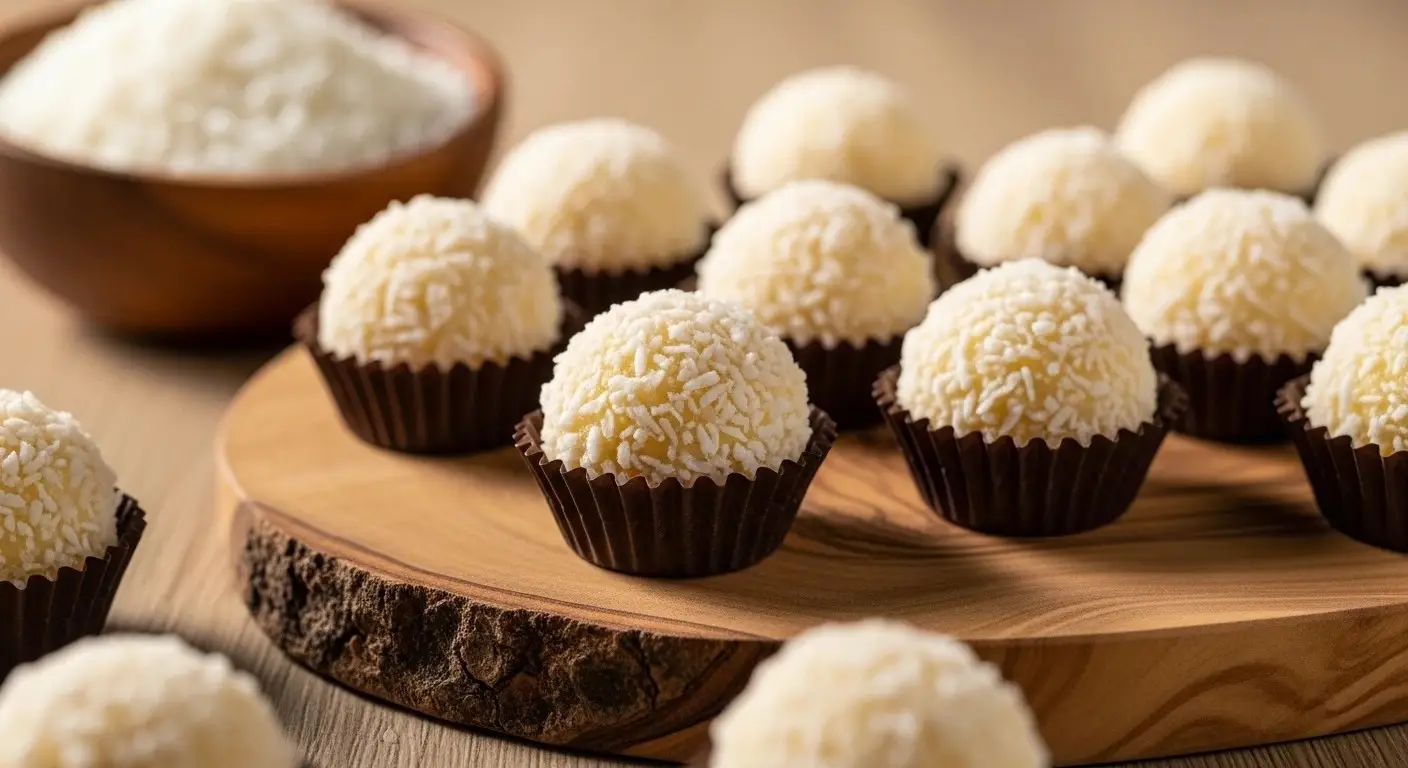
If you’ve ever tried to make a coconut brigadeiro recipe and ended up with a sticky mass that won’t roll, you’re not alone. Beijinho (Portuguese for “little kiss”) looks simple, but the texture depends on one quiet skill: controlling heat while you stir until the mixture hits the right thickening stage. Get that right, and you’ll have creamy coconut flavor in neat little balls, ready for a coconut flakes coating that feels like a true Brazilian candy moment.
I’ve made these in tiny batches for weeknight cravings and in bigger batches for party treats, and the method stays the same: low heat, continuous stirring, and a clear doneness cue you can see in the pan. By the end of this post, you’ll know what beijinho is, why it behaves differently from chocolate brigadeiro, how to avoid grainy mixture problems, and how to store it so the texture stays smooth.
A coconut brigadeiro recipe is a stovetop candy method for making beijinho, a classic Brazilian confection made by cooking sweetened condensed milk with butter and shredded coconut until it becomes a thick, glossy paste that can be cooled, rolled, and coated.
Think of it as a cousin of traditional brigadeiro, but instead of cocoa, coconut becomes the defining flavor component. In Brazil, you’ll see it alongside other bite-sized desserts on a Brazilian birthday party spread, and it’s especially common during Festa Junina, when sweets and warm, cozy flavors take center stage.
This treat sits in the bigger world of Brazilian desserts and Brazilian confectionery tradition, which is why small ingredient choices matter. Many home cooks reach for Nestlé condensed milk (often sold in Brazil as Leite Moça) because its consistency is dependable for milk-solid reduction phase cooking. For the coconut side, brands like Sococo are popular for shredded coconut and coconut shreds that coat evenly.
You’ll also see variations that count as hyponyms of the main idea: toasted coconut brigadeiro, white chocolate coconut brigadeiro, and citrus versions like lemon coconut brigadeiro. Same base, different aroma and texture.
Beijinho leans on coconut particle size selection and coconut fiber texture balance, while chocolate brigadeiro leans on cocoa solids. Coconut also changes viscosity faster, so the rollability timing window can feel shorter.
Authentic coconut brigadeiro usually uses sweetened condensed milk, butter, and shredded coconut, plus coconut flakes for coating and (optionally) a clove garnish as an authenticity cue.
A coconut brigadeiro recipe works because you reduce moisture gradually while keeping fats and milk solids in a stable emulsion. On the stove, condensed milk and butter heat up, then the mixture thickens as water evaporates and sugars concentrate. Add shredded coconut, and you’re also managing fibrous texture and hydration, which is why moisture-adjusted coconut ratio matters more than people expect.
Here’s the part most guides rush: low heat is not just “don’t burn it.” It creates a low-temperature reduction curve that gives you time to stir, prevent scorching, and avoid sugar crystallization prevention issues. High heat can push you into separation: the butterfat breaks away, and you get a grainy mixture that looks “oily” instead of glossy.
Two easy doneness indicators make this beginner-friendly:
Once it reaches that point, cooling is not optional. The cooling phase firms the paste so you can roll it into balls without tearing or sticking, and it also improves coating adhesion for coconut shreds.
It’s mostly moisture loss and concentration of milk solids and sugars. The mixture becomes more viscous as it reduces, and the fats disperse into a smoother texture when you keep stirring steadily.
The pan-release test is when the mixture detaches cleanly from the saucepan bottom and sides as you stir, forming a single mound that moves as one piece.
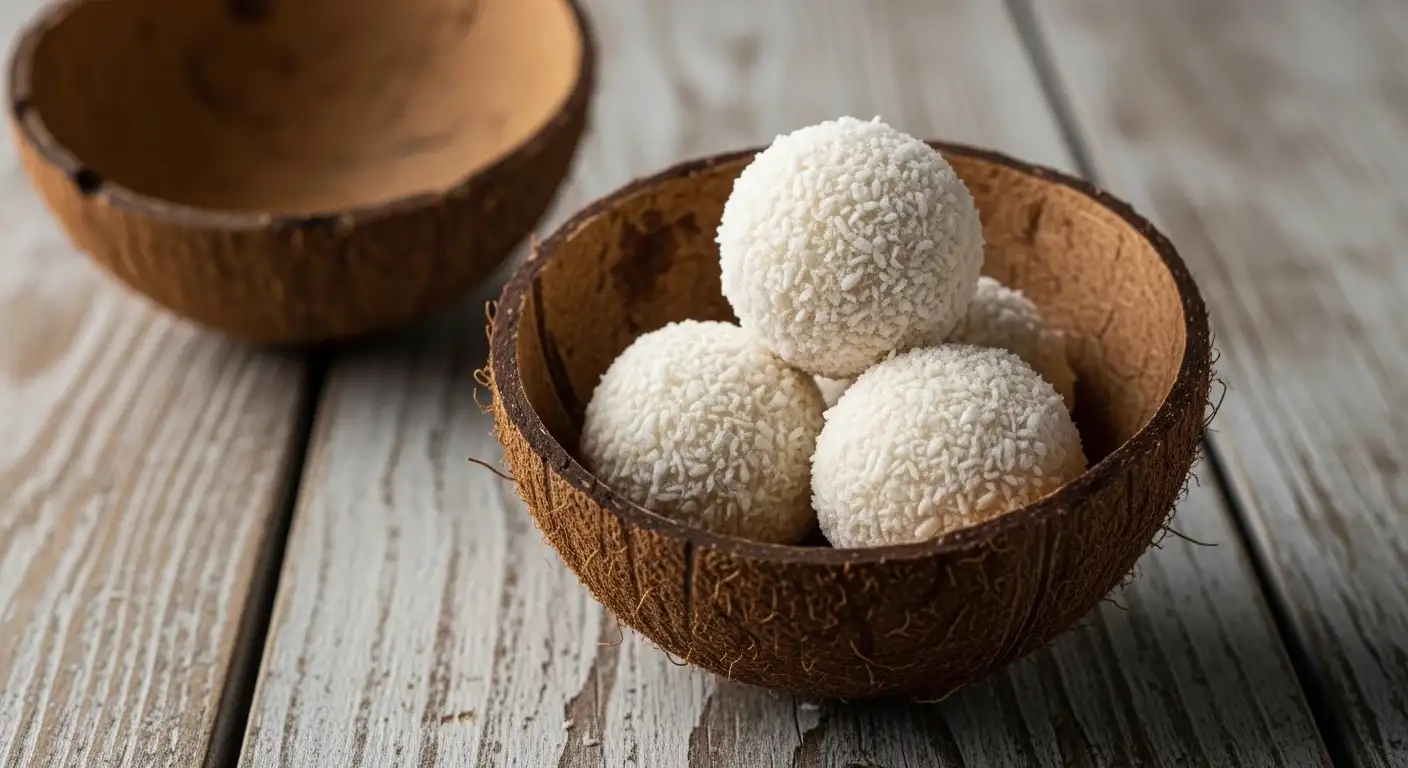
This is the “works-every-time” version I use when I want consistent texture with minimal equipment. It’s a saucepan method, and it scales well if you’re making a gift box.
Yield: about 18–22 small balls
Time: 20–25 minutes cooking + cooling
Serving note: In Rio de Janeiro and São Paulo, you’ll often see beijinho served with a clove on top. It’s optional, but it looks classic on a dessert table.
Once you understand why coconut behaves the way it does, the whole method feels less “mystical” and more predictable. Coconut is not just flavor; it’s structure. The shredded coconut brings fiber and absorbs moisture, which can swing you from soft-set to overcooked faster than you’d expect.
Here’s the practical effect:
This is where ingredient context matters. Condensed milk is standardized in many markets, but labels and formulations can vary. The Codex Alimentarius Commission sets international standards used by many countries as reference points for dairy labeling and composition, which helps explain why some condensed milks behave more consistently than others in reduction-style candy making.
One original angle most recipe pages skip: batch scaling sugar calibration. If you double the recipe, don’t just double the heat. Use the same low heat and a wider pan if possible so the reduction stays even. Bigger volume needs more stirring and often a slightly longer cook time, not more flame.
People get tripped up because “roll” is a tricky word. In this recipe, roll is the action of shaping, not a bread roll, and you can only do it inside the rollability timing window. If you try too early, you’ll fight a sticky mass. If you wait too long, you’ll get a dry, crumbly texture that won’t look glossy.
Use these simple checks:
Also, don’t underestimate the coating step. Coconut particle size selection matters: finer flakes stick more evenly, while large shreds can leave a patchy coating unless the balls are slightly tacky.
Most recipes mention “store in airtight,” but they don’t explain why humidity changes everything. Coconut brigadeiro is part of a dairy confection class, and dairy-based sweets respond fast to moisture in the air. In humid climates, the coating can soften, and the outer layer can get damp even when the inside stays fine. That’s why some Brazilian home cooks refrigerate beijinho during hot months, even if the candy is traditionally served at room temperature.
This also connects to sourcing. Organizations like Copra, a global coconut trade association, highlight how coconut products vary based on processing and storage across the supply chain. That variation is exactly why one bag of coconut flakes behaves differently than another, even when the label looks similar.
If you’re boxing these as edible gift assortments, add a small parchment liner and avoid stacking too tightly. It protects the coconut coating and prevents sticking, especially if you made a gourmet coconut brigadeiro version with extra richness.
For the full picture of regional sweets, see our complete guide to Brazilian desserts
The biggest mistakes are about control, not talent.
Coconut brigadeiro lasts about 2–3 days at room temperature when you store it in airtight containers, and a bit longer (up to a week) in the fridge. Coconut brigadeiro texture stays best when it’s protected from humidity, which can soften the coconut coating and make the outer layer damp.
Yes, you can freeze coconut brigadeiro for later. Freeze the uncoated balls on a tray, then move them to an airtight container. Thaw in the fridge, then bring to room temperature and coat in coconut flakes for the best texture and appearance.
You can use fresh coconut, but fresh coconut adds more moisture and can shorten the thickening stage. If you use fresh coconut, reduce it longer on low heat and rely on the pan-release test. For consistent results, many people prefer shredded coconut or desiccated coconut.
Coconut brigadeiro is too sticky when it’s undercooked or when the mixture hasn’t cooled enough to roll. Put it back on low heat for a few minutes, stir continuously, and stop when it pulls from the pan. Then cool before rolling so it firms up properly.
Beijinho is typically gluten-free because it’s made from condensed milk, butter, and coconut, not wheat. Still, check labels on shredded coconut and flavorings for cross-contamination warnings if you’re cooking for someone with celiac disease.
You can make coconut brigadeiro without butter, but butter helps with fat-emulsion stabilization and prevents sticking in the saucepan. If you skip it, you may need more careful stirring and a nonstick pan, and the final texture can lean slightly less smooth.
Once you nail the low heat and the pan-release test, this coconut brigadeiro recipe becomes one of those “repeat forever” desserts. The biggest thing to remember is simple: cook until thick, stop when it pulls cleanly from the pan, and cool before rolling so the texture sets up without turning dry.
If you make a batch this week, try one small twist: toast a portion of the coconut flakes for a toasted coconut aroma activation boost, then compare it to the classic coating. For more ideas that fit the same vibe, see our complete guide to Brazilian desserts

Through Brazil Eats, I share authentic Brazilian recipes inspired by family traditions and everyday cooking.