
Escondidinho Recipe: How to Make Brazilian Shepherd’s Pie

Escondidinho Recipe — Brazil’s Hidden-Treasure Shepherd’s Pie

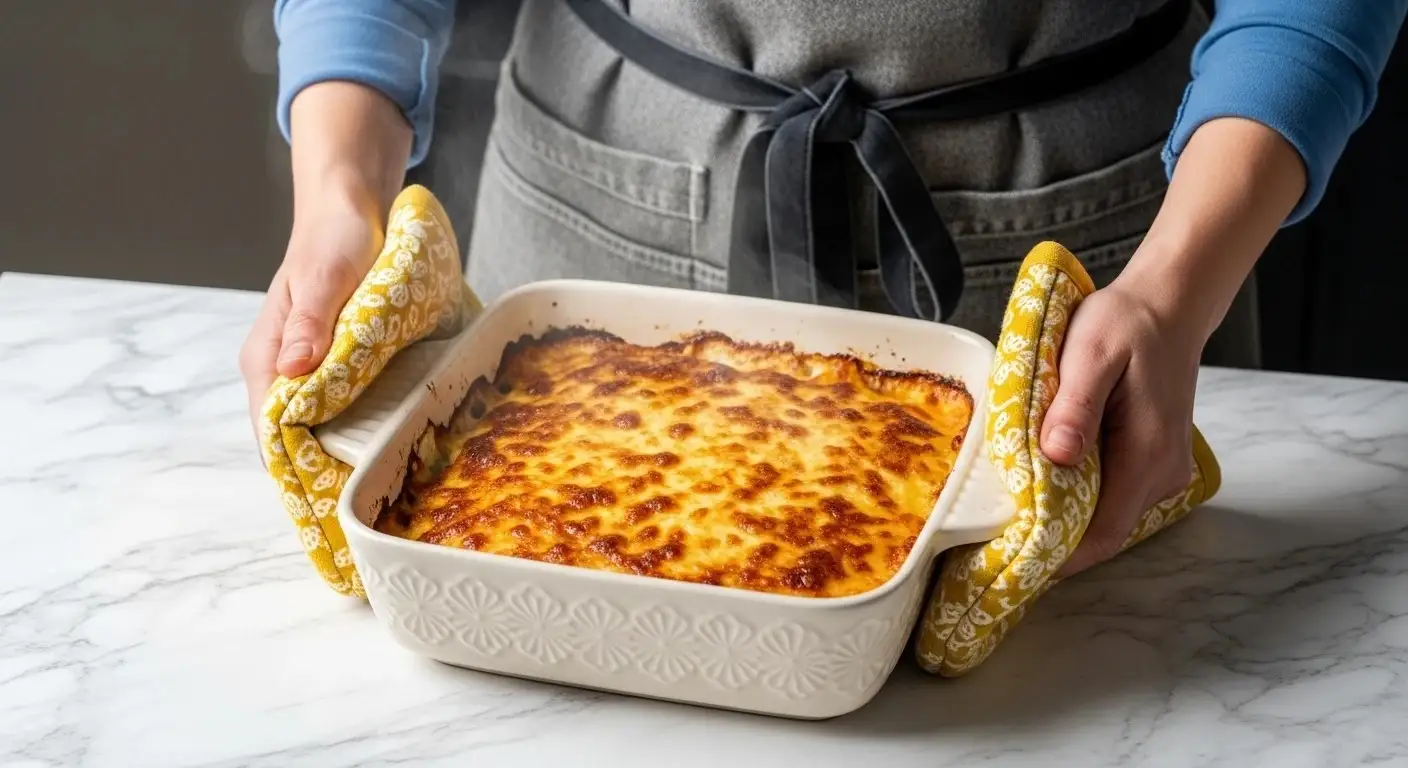
If you’ve never had escondidinho (pronounced es-kohn-jee-DEEN-yoo), picture this: a golden, cheese-topped casserole that looks simple from the outside — until you cut into it and find a rich, spiced beef filling hiding underneath a layer of buttery mash. That’s exactly where the name comes from. Escondidinho means “little hidden one” in Portuguese, because the meat is tucked away under the topping like a surprise.

This dish comes from Brazil’s Northeast, where it started as an everyday way to stretch cassava, meat, and cheese into a filling family meal. Over the decades it spread south and became a staple on Brazilian dinner tables nationwide — you’ll find it at Sunday family lunches, potlucks, and casual weeknight dinners alike, with versions using beef, shredded chicken, dried beef, and even shrimp depending on the region and what’s in the fridge.

I make this with Yukon Gold potatoes because they’re easy to find outside Brazil, but I’ll walk you through the traditional cassava version too, since the texture difference is worth knowing about.

Equipment You'll Need

What Makes Escondidinho Different From Regular Shepherd's Pie

Escondidinho and British shepherd’s pie share the same basic idea — meat under mash, baked until golden — but they part ways in the details. Traditional shepherd’s pie leans on lamb and potatoes. Escondidinho is built around cassava (also called yuca or manioc), a root vegetable that’s central to Northeastern Brazilian cooking, and it’s seasoned with garlic, cilantro, and sometimes a touch of tomato instead of the herbs typical of British versions.

The two textures work against each other on purpose: a soft, savory filling below, and a smooth, slightly firm mash on top. Get the seasoning right on the beef, and the mash mostly just needs to be creamy without turning watery.

Cassava vs. Potatoes: What Actually Changes

Cassava has more starch than potatoes, so it mashes into a topping that’s a little firmer and holds its shape better once baked and sliced — which is part of why it’s the traditional choice. It also has a subtle, slightly nutty, faintly sweet flavor that potatoes don’t have, and it stays glossy rather than fluffy once mashed.

Potatoes are lighter, fluffier, and more familiar to most cooks outside Brazil, and they mash into a smoother, silkier topping. The starch content is lower, so they whip up airier but hold together less firmly once sliced — which is why getting the moisture level right (see the Common Mistakes section below) matters more with potatoes than with cassava. Either root works well here — the recipe below uses potatoes, with notes for swapping in cassava if you want the more traditional route.

If you want to go traditional: use 2 lbs (900 g) of peeled cassava instead of potatoes. Fresh cassava is sold in the produce section of most Latin American grocery stores, and frozen, peeled cassava (often labeled yuca) is available in the frozen aisle of many regular supermarkets — the frozen version saves you the peeling step entirely. Boil until fork-tender, remove the fibrous woody core running through the middle (this is the part that stays tough no matter how long you cook it), then mash with warm milk and butter just like you would potatoes.

Recipe

Escondidinho Recipe

Recipe by Camila SantosCourse: Main Dish Cuisine: Brazilian
Servings

4–5

servings
Prep time

20

minutes
Cooking time

10–15

minutes

Ingredients

  • For Mash
  • 1½ lbs (680 g) Yukon Gold potatoes, peeled and cubed

  • 1 cup (240 ml) whole milk, warmed

  • 2 tbsp (28 g) butter

  • ¼ cup (25 g) grated Parmesan

  • 1 tsp minced garlic

  • Salt and black pepper to taste

  • For the filling:
  • 1 lb (450 g) ground beef

  • 1 tsp olive oil

  • ½ yellow onion, diced

  • 2 garlic cloves, minced

  • ¾ cup (180 g) cream cheese

  • 2 tbsp fresh cilantro, chopped

  • 1 tbsp chili powder

  • 1 tbsp cumin

  • Salt and pepper to taste

  • 4 slices mozzarella (for the top)

Instructions

  • Cook the potatoes. Boil the cubed potatoes in well-salted water for 10–12 minutes, until a fork slides in easily. Drain well — leftover water is the #1 reason mash turns soggy.

  • Mash while hot. Cold potatoes mash into a gluey paste, so do this step right after draining. Mash with the warm milk and butter, then stir in garlic, Parmesan, salt, and pepper. Set aside.

  • Brown the beef. Heat olive oil in a Dutch oven or skillet over medium-high heat. Add the onion and garlic, cook for a minute until fragrant, then add the beef with the chili powder and cumin. Cook until no pink remains and any liquid has fully evaporated — a wet filling is the main reason escondidinho falls apart when you slice it.

  • Stir in the cream cheese. Take the pan off the heat (or drop to low) and fold in the cream cheese and cilantro. High heat can make cream cheese split, so keep it gentle. You're looking for a thick, cohesive filling, not something loose.

  • Assemble. Spread the beef filling evenly in your baking dish. Cover completely with the mashed potatoes, smoothing the top. Lay the mozzarella slices over everything.

  • Bake at 400°F (200°C) for 10–15 minutes, until the cheese is melted and just starting to turn golden. If you want more color, switch to broil for the last 1–2 minutes — watch it closely, it browns fast.

  • Rest before serving. Give it 5–10 minutes before cutting in. The layers need this time to set, or the filling will slide around when you serve it.

    Common Mistakes That Ruin the Texture

    • Watery mash: Comes from under-draining the potatoes or adding milk too fast. Add it gradually and stop once the mash is creamy, not loose.
    • Underseasoned beef: The filling needs to be bold enough to stand up to the mild mash on top — don’t be shy with the chili powder and cumin.
    • Skipping the rest time: Cutting in immediately causes the layers to collapse into each other instead of holding their shape.
    • Overbaking: You’re melting cheese, not cooking the filling further — pull it as soon as the top turns golden.

    Storage and Reheating

    Refrigerate leftovers up to 3 days in an airtight container. Reheat covered in the oven at 350°F (175°C) for about 15 minutes — the microwave works in a pinch, but the cheese won’t re-crisp the same way.

    Variations Worth Trying

    • Escondidinho de Frango: swap the beef for shredded, seasoned chicken — a common weeknight version, especially popular when there’s leftover roast chicken to use up.
    • Escondidinho de Carne Seca: the traditional version, made with sun-dried beef (carne seca) instead of ground beef. The dried beef needs to be soaked and desalted before shredding, which adds time but gives the filling its authentic, deeply savory character — look for carne seca at Brazilian or Latin markets if you want to try it.
    • Escondidinho de Camarão: a coastal variation that swaps the meat for shrimp, sautéed with garlic and a touch of tomato — common in Brazil’s seafood-heavy northern regions.
    • Vegetarian version: replace the beef with sautéed mushrooms and lentils, keeping the onion and garlic base. A splash of soy sauce in the mushroom filling helps replicate some of the savory depth the beef normally provides.

    A Bit of History

    Escondidinho’s roots trace back to enslaved communities in Brazil’s Northeast, who are believed to have layered meat under a mashed topping partly as a practical way to stretch smaller amounts of meat across a larger, more filling dish. What started as a resourceful, everyday meal eventually became a fixture of Brazilian home cooking nationwide, adapted along the way with whatever protein and starch a region had on hand. That history is part of why you’ll find so many legitimate variations today — there was never one “correct” version to begin with, just a shared technique passed down and reshaped in different kitchens.

    What to Serve With It

    Escondidinho is filling enough to be a complete meal on its own, but it pairs well with a simple green salad, farofa (toasted cassava flour), or white rice if you want to stretch it further for a crowd.

    Nutrition (Per Serving, Estimated)

    Based on 5 servings: roughly 420 calories, 24g protein, 22g fat, 30g carbohydrates. This is an estimate — actual values will vary depending on the exact brands and quantities you use. If you need precise numbers for dietary reasons, we’d recommend calculating with your specific ingredients using a nutrition calculator.

    Frequently Asked Questions

    Yes. Assemble the full casserole up to a day ahead, cover, and refrigerate unbaked. Add about 5–10 extra minutes to the bake time since it’ll be starting cold.

    Yes, though the texture of the mash softens slightly after thawing. Freeze the assembled, unbaked casserole tightly wrapped for up to 2 months. Thaw overnight in the fridge before baking.

    Catupiry (a Brazilian creamy cheese spread) is the traditional choice if you can find it at a Brazilian market. Mascarpone or a thick sour cream also work in a pinch.

    Almost always excess water from under-draining the potatoes, or adding the milk too quickly. Drain thoroughly and add liquid gradually, stopping as soon as the texture is creamy.

    Yes — swap the beef for sautéed mushrooms, lentils, or a plant-based ground meat substitute, keeping the onion, garlic, and seasoning the same.

    Final Thoughts

    Escondidinho is proof that Brazilian comfort food doesn’t need to be complicated to be memorable — a good filling, a properly mashed topping, and enough time in the oven for the cheese to turn golden is really all it takes. Once you’ve made it once, you’ll understand why it’s stuck around Brazilian kitchens for generations, and why it’s worth a permanent spot in yours too.

    Share this post: