This is the easiest, most reliable white brigadeiro recipe I know. It’s the saucepan method (stovetop method), uses common ingredients, and gives you a generous rollability window timing so you’re not racing the clock.

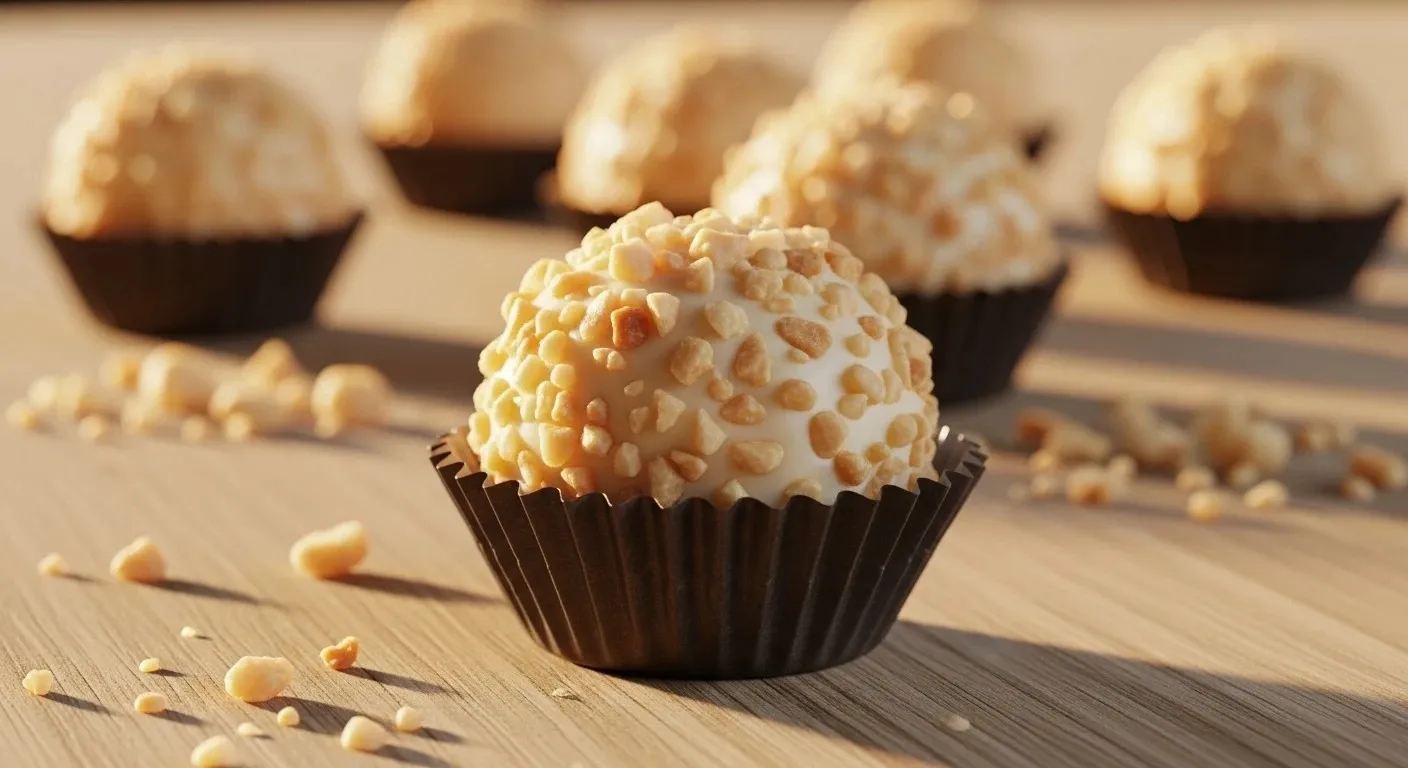
If you’ve ever tried making truffles at home and ended up with a sticky mess that refuses to roll into neat little balls, you’re not alone. This white brigadeiro recipe is the fix. It’s the classic brigadeiro branco style from Brazil: cocoa-free, creamy, and built on sweetened condensed milk, butter, and gentle heat.
I’ve made brigadeiros for birthdays, dessert boxes, and last-minute party trays where you need something that looks polished but doesn’t require fancy equipment. By the end of this post, you’ll know what white brigadeiro is, why it works, how to nail the thickening stage without scorching, and how to troubleshoot the usual texture problems (grainy, oily, too soft, too firm). You’ll also get the best easy recipe that beginners can pull off on the first try, plus a few smart variations like coconut, lemon, and pistachio.
Beyond the basics, you’ll start noticing the small cues that separate “good” brigadeiro from the kind people talk about afterward.
A white brigadeiro recipe makes brigadeiro branco, a cocoa-free Brazilian confection (think: a white Brazilian truffle or Brazilian white fudge ball) cooked on the stovetop. The base is sweetened condensed milk and butter, gently reduced until thick and glossy, then cooled and shaped. Many people finish it with a coating like coconut flakes, sugar, or sprinkles.
In Brazil, brigadeiros are part of the broader world of Brazilian desserts and Brazilian confectionery tradition, especially at birthday celebrations and festive tables like Festa Junina. The white version is the “clean canvas” of the family: it keeps that dairy-forward sweetness profile, but without cocoa powder, so it’s easier to infuse with citrus zest, nuts, or white chocolate.
You’ll also see a few subtypes (hyponyms) floating around: brigadeiro branco tradicional, powdered milk brigadeiro, and white chocolate brigadeiro. They all belong to the same bigger category (a hypernym) of confections and milk-based sweets, but the ingredient balance changes the texture and the final “snap” when you bite in.
A creamy white brigadeiro recipe is a delicious variation of the classic Brigadeiro, offering a smooth vanilla flavor instead of traditional chocolate. Made with condensed milk and butter, this sweet treat has the same soft, fudgy texture that makes Brigadeiro so popular at celebrations. Serving a white brigadeiro recipe alongside classic Brigadeiro creates a beautiful dessert spread with contrasting flavors and colors that guests will love.
White brigadeiro looks simple, but it’s real candy-making. You’re basically creating a cocoa-free brigadeiro matrix by slowly concentrating milk solids and sugar until the mixture thickens, turns glossy, and becomes rollable.
Here’s what’s happening in the pan:
The doneness cue isn’t a timer. It’s a texture checkpoint. You’re aiming for a paste that pulls from the pan and leaves a visible trail. I call it the spatula path visibility test: drag a silicone spatula through the center and you should see the bottom of the saucepan for a beat before the mixture slowly closes.
That’s your gloss retention checkpoint, and it matters more than counting minutes.
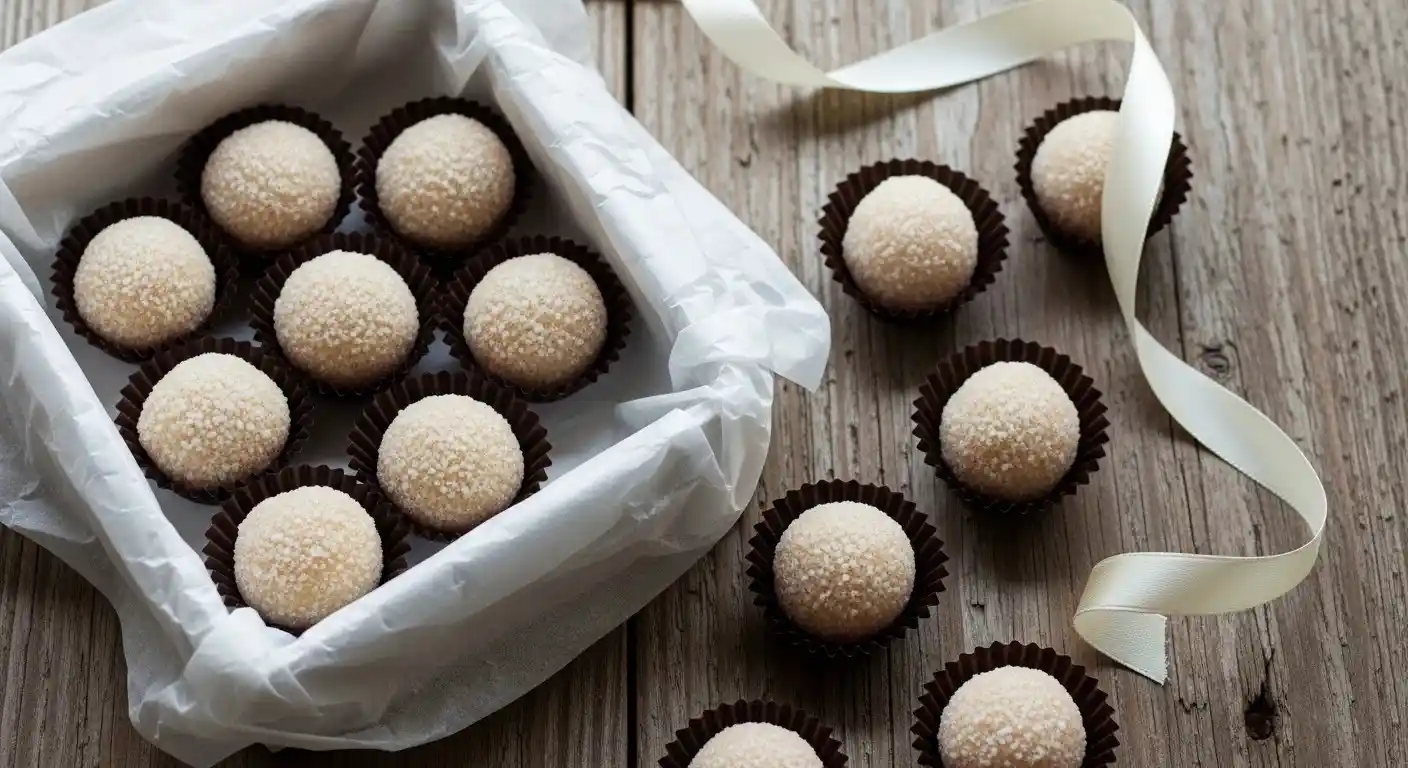
This is the easiest, most reliable white brigadeiro recipe I know. It’s the saucepan method (stovetop method), uses common ingredients, and gives you a generous rollability window timing so you’re not racing the clock.
Use a heavy-bottom saucepan and a silicone spatula. A thin pan plus high heat is the fastest route to scorching and grainy texture correction later.
Milk powder helps you reach the milk solid concentration phase faster, which makes the thickening stage more forgiving for beginners. It also reduces the chance of “sticky mass” results that happen when the mixture is undercooked.
If you want a spoon white brigadeiro (to eat like a warm fudge), stop a little earlier, when it’s glossy but doesn’t fully pull from the pan.
A lot of people assume white brigadeiro is “easier” because there’s no cocoa. In some ways, yes. But it’s also less forgiving if you crank the heat. The biggest contrast pair is low heat vs high heat. Low heat gives you a smooth consistency; high heat tends to scorch the sugars and destabilize the fat, leading to a separated mixture that looks oily.
This matters because brigadeiro depends on emulsion. You’re not just boiling something down. You’re controlling a low-temperature reduction curve where sugars, dairy solids, and fats stay integrated. Continuous stirring keeps the bottom from catching and helps prevent sugar crystallization avoidance issues that create graininess.
Here’s a quick, real-world guide to the “set” stage (and yes, “set” can mean “firm texture stage,” not “arrange things on a table”):
If you’re making a chocolate-based version (white chocolate brigadeiro), think of it as richer, but more sensitive. White chocolate brings cocoa butter, which can split if overheated. That’s why many cooks add melted white chocolate near the end, once the base is already thick.
What most guides miss is how much the environment changes your results, especially the coating. Coconut-coated white brigadeiro is classic, but coconut adhesion is humidity-sensitive. If your kitchen is humid, coconut can clump, go limp, or slide off, and your brigadeiros can feel tacky on the outside even if the inside is perfect.
A few practical fixes:
This also connects to shelf life. Brigadeiro lives inside a bigger holonym: home candy-making and the broader Brazilian confectionery tradition. At events like Festa Junina tables in Rio de Janeiro or São Paulo, you’ll often see brigadeiros served in small papers because it protects the surface and keeps the coating intact.
For ingredient labeling nerds: organizations like the Codex Alimentarius Commission influence international standards around dairy and cocoa products, which is why “white chocolate” labeling can vary by country. In practice, for this recipe, what matters is choosing a white chocolate you like the taste of, and managing heat so the texture stays smooth.
A few tips you can use immediately:
If you’re building gift boxes, line them like gourmet dessert boxes do: small paper cups, then airtight containers to protect the coating.
Most beginners run into the same issues, and they’re fixable.
Brands like Nestlé’s condensed milk are consistent, but any condensed milk can work. The technique is the difference-maker.
White brigadeiro lasts best when you store it in airtight containers. At room temperature, it usually stays pleasant for a few days, especially in cooler climates. In warmer rooms, refrigeration can help, but let it sit at room temperature before serving so the texture softens and the coating doesn’t feel damp.
You can freeze white brigadeiro, and it’s a practical way to prep for parties. Freeze the uncoated balls on a tray first, then transfer to an airtight container. Thaw in the fridge overnight, then bring to room temperature and coat in coconut flakes (or your coating) for the best exterior finish.
You can make white brigadeiro without milk powder, but the mixture may take longer to reach the right thickening stage. Expect a slightly softer set and a more delicate rollability window. To compensate, cook a bit longer on low heat and rely on the pan-release test rather than the clock.
White brigadeiro is usually too sticky to roll when it’s undercooked or still too warm. Put it back in the saucepan and cook until it pulls from the pan and holds a spatula trail. Then cool before rolling. Lightly buttering your hands also helps, but it won’t fix an undercooked base.
You can use white chocolate instead of milk powder, and it makes a richer white chocolate brigadeiro. Add chopped white chocolate near the end, once the base is already thick, to avoid splitting. This version is more sensitive to overheating, so keep the heat low and stir constantly for a smooth texture.
White brigadeiro is typically gluten-free because the classic ingredients are condensed milk, butter, and optional milk powder or white chocolate. Still, check labels for cross-contamination warnings, especially on coatings like sprinkles or flavored chocolate, since manufacturing varies by brand and region.
Once you learn to trust the texture cues, this white brigadeiro recipe becomes one of those go-to desserts you can make for birthdays, holidays, or a quiet craving that needs something sweet and creamy. The one thing to remember is simple: low heat and constant stirring win every time, and the pan-release test beats the timer.
If you try this brigadeiro branco, make a small batch first, then play with coatings and flavors once you’ve nailed the base. Next step: bookmark your favorite variation and build a little “brigadeiro lineup” for your next party tray.

Through Brazil Eats, I share authentic Brazilian recipes inspired by family traditions and everyday cooking.